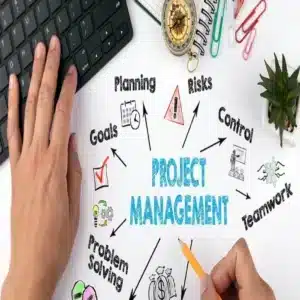

ERM Training Program in Enterprise Risk Management
Based on lessons learned from the pandemic, this enhanced version of the training course provides a proactive outlook on the challenges and changes that the next phase will bring in risk management. It aims to enhance your knowledge and skills to become a future-ready enterprise risk manager with complete efficiency
ERM Training Program in Enterprise Risk Management Introduction:
Based on lessons learned from the pandemic, this enhanced version of the training course provides a proactive outlook on the challenges and changes that the next phase will bring in risk management. It aims to enhance your knowledge and skills to become a future-ready enterprise risk manager with complete efficiency.
This training course will cover:
- Implementing a comprehensive enterprise risk management model according to the latest post-pandemic practices
- Building a dynamic culture for risk management and organizational resilience
- Evaluating current risk management frameworks and methodologies in your organization
- Understanding the impact of global transformations on risk management practices
- Exploring the relationship between agile corporate governance and risk management
Training Program Objectives:
By the end of the training program, participants will be able to:
- Understand and master enterprise risk management concepts, standards, and techniques and apply them effectively
- Develop leadership skills for effective communication with various levels and stakeholders
- Determine the organization’s risk appetite and tolerance
- Identify 13 key indicators for assessing organizational resilience
- Link enterprise risk management with crisis management, business continuity, and organizational resilience
- Apply acquired knowledge practically and directly with immediate benefit to the organization
Target Candidates for the Program:
- Compliance department employees.
- Risk and governance department employees.
- Executive managers and project managers responsible for risk management
- Professionals seeking a practical starting point to establish an effective ERM framework
- Mid to senior-level managers seeking to use ERM as a leadership tool and strategic decision-making
Training Program Topics:
Enterprise Risk Management Principles
- Governance objectives, concepts, and definitions
- Mapping and evaluating current governance arrangements
- Compliance – defining your objectives for implementing the latest guidelines
- Who are the internal and external stakeholders?
- The importance of culture, communication, and behavior in seeking an effective enterprise risk management structure
- Overview of the global business environment post-pandemic
- Enterprise Risk Management – The Resilient Organization
ISO 31004: Designing an Enterprise Risk Management Framework
- Enterprise Risk Management Framework and Procedures
- Enterprise Risk Management Responsibilities – who does what, and who is on the team
- Performance Metrics
- Comparison between current enterprise risk management and ISO31000:2009 principles
- Alignment between enterprise risk management policy and the organization
- Risk Assessment
- Risk Analysis Criteria
Business Continuity Management Systems (BCMS)
- Fundamental principles of business continuity management
- Implementing business continuity management system according to ISO 27031 & ISO 22301 standards
- Business Impact Analysis (BIA) and risk assessment
- Understanding the relationship between business continuity management system and compliance with other enterprise risk management requirements
- Writing a case study and project plan for implementing business continuity management system
- Incident and emergency response management
Implementing Effective Enterprise Risk Management
- Resources and methodologies required for plan implementation
- Ensuring that enterprise risk management becomes part of the important decision-making process
- What are the potential barriers to implementation (risk culture)?
- Risk reporting and constraints on different risk reporting tools and methodologies
- Evaluating the advantages of quantitative risk modeling and qualitative reporting
- Linking risk reporting processes with other strategies for important management activities, such as reputation management
Continuous monitoring, review, and improvement of the framework
- Key Risk Indicators (KRI)
- Continuous improvement through implementing team workshops on risk management
- Collecting risk and control information from multiple sources in a central risk register or risk information system inventory
- Control register or control inventory (the five questions)
- Reviewing observations and benefiting from “lessons learned”
ERM Training Program in Enterprise Risk Management
الوسوم

200,000 د.ك
Available on backorder

تفاصيل البرنامج
- 14 - 16 May 2026
- From 10:00 to 14:00
- 5-star hotel
شاركنا